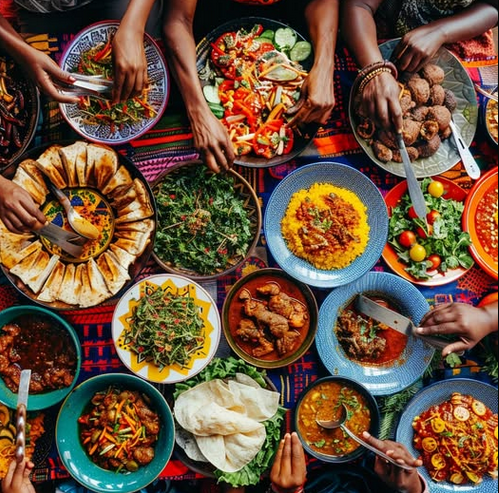
Tanzania is blessed with some of the world’s most extraordinary wonders — the majestic Mount Kilimanjaro, the vast Serengeti plains, and the crystal-blue waters of Zanzibar. Yet beyond the breathtaking landscapes lies another treasure: the flavours of Tanzanian traditional cuisine. More than just meals, these dishes carry the wisdom of generations, showcasing how food can connect people, preserve culture, and protect the environment.
Today, as global conversations turn toward sustainable travel, Tanzanian traditional foods offer an inspiring path: a way to enjoy tourism while also caring for nature and empowering local communities.

Traditional Foods as Eco-Friendly Choices
Many Tanzanian dishes are deeply rooted in the use of local, seasonal, and natural ingredients. Ugali, made from maize flour, is a staple that comes directly from the fields of small-scale farmers. Sukuma wiki (collard greens), ndizi za kienyeji (local bananas), and freshly caught tilapia from Lake Victoria highlight the richness of local produce.
Unlike imported or heavily processed foods, these dishes leave a smaller environmental footprint. Choosing them not only supports traditional farming but also reduces the energy costs of transporting and storing foreign products. In other words, every plate of Tanzanian food is an act of eco-friendliness.
Tourism That Supports Communities
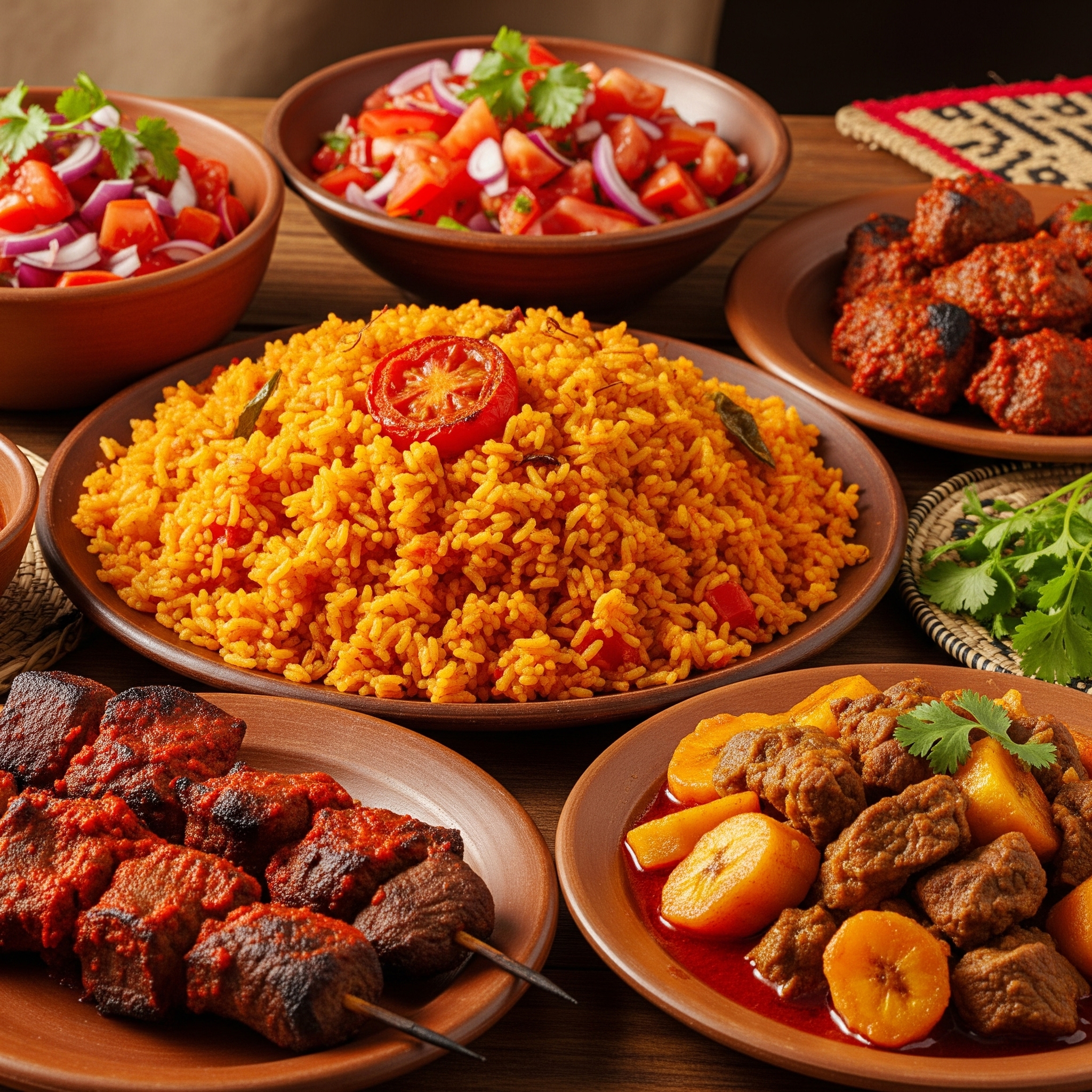
When tourists choose local dishes, they do more than satisfy hunger — they sustain livelihoods. Every serving of pilau or nyama choma sold in a local restaurant means income for farmers, fishermen, market vendors, and cooks.
By embracing Tanzanian cuisine, visitors contribute directly to the country’s economy while ensuring that traditional food practices remain alive. This is tourism that doesn’t just take from a destination — it gives back, creating a cycle of empowerment and pride.
A Cultural Experience Beyond Taste
Food is more than nourishment; it is storytelling on a plate. For tourists, eating ugali with sukuma wiki, sipping tangawizi tea, or enjoying Zanzibar’s spiced pilau is a journey into the heart of Tanzanian culture. Each flavour reflects the land, history, and traditions of its people.
Pairing these meals with cultural encounters — such as local cooking demonstrations or village food festivals — transforms an ordinary trip into a deep, authentic experience. Tourists leave not just with photos of wildlife, but with memories of shared meals and meaningful cultural connections.
Tz JIKONI SAFARI: A Bridge Between Culture, Food, and Sustainability
At Tz JIKONI SAFARI, we believe that food is at the heart of sustainable tourism. Our platform promotes authentic Tanzanian cuisines while connecting tourists to local restaurants, markets, and food stories.
By showcasing traditional dishes, we are not only celebrating culture but also supporting eco-friendly choices and empowering communities. When tourists order through us, they are choosing more than food — they are choosing a sustainable future for Tanzanian tourism.
Tanzania’s traditional cuisine is more than just delicious. It is a living example of sustainability, culture, and community strength. Every meal carries history, supports livelihoods, and helps protect the natural beauty that makes Tanzania a world-class destination.
With Tz JIKONI SAFARI, we invite the world to travel responsibly: to taste, to connect, and to celebrate Tanzania in a way that honours both its people and its environment.

Discussion Thread
No comments yet. Be the first to leave one!
Leave a Comment
Please log in to leave a comment or like a comment.